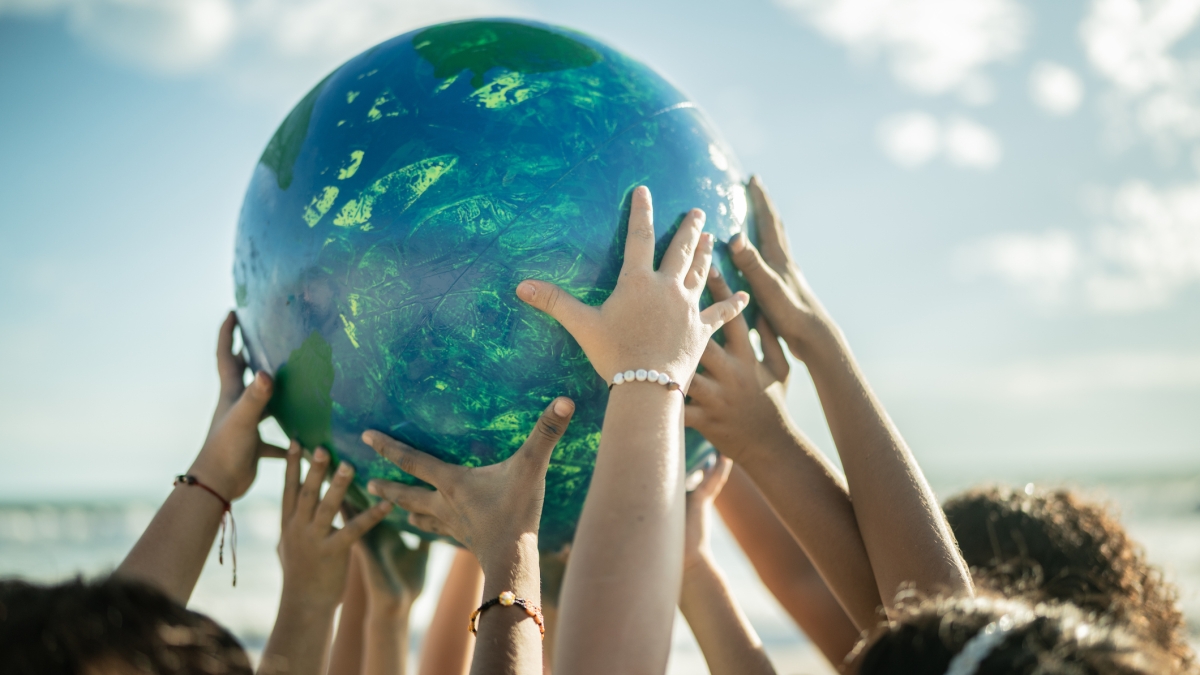
Observed annually on April 22 since 1970, Earth Day has grown into a worldwide event that draws attention to environmental progress while highlighting the urgent need for continued action.
In this article, we explore why Earth Day still matters and highlight three lesser-known individuals who are leading the way.
The ongoing importance of Earth Day
The roots of Earth Day lie in the environmental awakening of the 1960s, a time when pollution and ecological degradation became impossible to ignore. U.S. Senator Gaylord Nelson sought to harness this growing concern by creating a unified event focused on environmental education and action. With the support of student activist Denis Hayes, the first Earth Day was organised as a nation wide effort to engage the public.
The response was unprecedented. Millions of Americans participated, signalling a major shift in public awareness and helping to build momentum for stronger environmental protections. This surge in engagement contributed to the development and reinforcement of key policies aimed at safeguarding air quality, wildlife, and natural habitats.
While early environmental concerns were often visible—such as smog, polluted waterways, and industrial waste—today’s challenges are more complex and inter connected. Climate change, biodiversity loss, plastic pollution, and unsustainable resource use now pose significant threats to ecosystems and human wellbeing on a global scale.
What makes Earth Day relevant 56 years later is its ability to bridge scientific understanding and public participation. It encourages individuals and communities to reflect on their impact and consider how their actions can contribute to meaningful change.
Unsung heroes of Earth conservation
Although prominent organisations and public figures often dominate environmental discussions, many impactful initiatives are led by individuals whose contributions receive less attention. Their work demonstrates how local efforts can produce lasting and meaningful results.
1. Isatou Ceesay
In the village of N’jau in The Gambia, Isatou Ceesay addressed a growing environmental and public health issue caused by plastic waste. Discarded bags littered the landscape, disrupted agriculture, and created stagnant water where mosquitoes could breed, increasing the risk of disease.
Isatou and her sister began collecting and cleaning discarded materials, transforming them into plastic yarn, or “plarn” for short. This material could then be used to create reusable products such as bags. This led to the formation of the N’jau Recycling and Income Generation Group, which not only reduces environmental pollution but also provides economic opportunities for women living in N’jau.
2. Afroz Shah
In Mumbai, Afroz Shah took action after witnessing the severe pollution affecting Versova Beach. Alongside his neighbour Harbansh Mathur, he began removing waste from the shoreline. To attract volunteers, Shah described these clean-ups as “a date with the ocean,” transforming a small effort into a large-scale community movement.
Over time, the project grew significantly, removing thousands of tons of debris and drawing international recognition. However, Shah’s work extends beyond clean-up efforts. He continues to advocate for long-term solutions by raising awareness and promoting strategies to prevent waste from entering marine environments in the first place.
3. Helena Gualinga
Helena Gualinga, an Indigenous activist from Ecuador, works to protect the Amazon rainforest and defend the rights of Indigenous communities. Coming from a family deeply involved in environmental advocacy, she brings attention to the direct consequences of environmental degradation on her people. Her community has faced increasing threats from climate change and industrial activities, including deforestation, flooding, and forest fires.
Through school visits, international speaking engagements, and participation in global climate forums, she connects local experiences with broader policy discussions. Her advocacy underscores the idea that environmental protection is closely linked to cultural preservation and human rights.
From awareness to action
Earth Day is more than a symbolic event—it is a call to action. While raising awareness is an important first step, lasting change depends on consistent effort at both individual and collective levels.
The stories of Isatou Ceesay, Afroz Shah, and Helena Gualinga demonstrate that meaningful impact does not depend on widespread recognition or extensive resources. Instead, it begins with awareness, determination, and a willingness to act.
Ultimately, Earth Day reinforces a simple but powerful idea: protecting the environment isa shared responsibility, and progress often begins with individual action.
Subscribe to updates
Like what you read? Sign up for news and updates like this.